Archive for the 'country life' Category

Facibus from On Blogging Australia - Out Of His Niche!

Country life is a wonderful thing. The following post from Andrew Boyd - known as Facibus on the net - stunned me with the similarity to the place I have moved to. It shouldn’t be so surprising because Robertson is only a half hour drive from where I now live. I have been there many times when we’ve had a day out driving.

In 2003 I moved to Robertson in the Southern Highlands of NSW to live with my then-fiance. At the time it was a sleepy village of 1,000 souls, mostly harmless. After living in the dry areas around Canberra the lush green grass and remnant temperate rainforest plants made it seem like the garden of Eden - that and being in love.

I found the locals fairly evenly divided between newcomers and those who had grown up in the area. The “weekenders” or “yuppies” as they were known locally were usually refugees of the urban hell of Sydney - much beloved of the real estate agents and members of the Robertson Business Association (in itself, sometimes known as The Mafia).

A village also fairly evenly divided in their future vision of the place - some saw Robertson as the new Berrima (as opposed to New Berrima itself, a fairly working-class hamlet between Moss Vale and Berrima much noted for it’s roving dog population and dead car bodies). The Mafia saw a thriving quaint tourist trap, swarming with well-heeled Sydneysiders ever-ready with their wallets. A lot of other people just wanted the tourists to f*ck off and leave them alone - they had come to Robertson to get away from that kind of thing, or had grown up in a place that they wanted to never change. For myself, I was happy if I could park my car in the main street on the weekend to go and buy milk, and good luck to those that made their living off passing fools.

A note here on the Famous Robertson Pie Shop - the locals knew (and still do, so far as I know) that the best pies are down in the village itself, in the bakery - and to say “I know Robertson, I’ve been to the Pie Shop” is equivalent to saying “I am a proud member of the Young Liberals” to those in the know. I’ve eaten at the Pie Shop myself, some days they had nice chips - but the pies were nothing to brag about, and not a patch on those at the Gunnadoo Bakery in Bungendore. But I digress.

When I first moved to Robertson, like all good small country towns, there was a Chinese restaurant in the Bowling Club. Albert’s was run by, well, Albert. A great bloke who had been there for years and made the best Lemon Chicken I’d had in my life. He was part of the villiage, part of the charm. I literally wept when some short-sighted people ran Albert out of town by refusing to renew his lease. Bastards.

The only other restaurants in town at the time were:
- Chats, a burger and chips sort of place (excellent chips) at the motel
- The coffee place at the Old Cheese Factory
- The bistro at the pub
- Last but not least, Pizzas in the Mist - God bless them, excellent wood-fired pizza and fairly adventurous (their Peking Duck Pizza was my favourite, and I can still smell it as I write this years later).

We later got another three cafes, Albert’s became the Bowlo Bistro, the Old River Grillhouse opened (and while the service was surly, the steaks were excellent), and the pub food got better quickly with a change in management.

I mentioned that Chats was at the motel. In a village of 1,000 people, there were lots of “Thes” - The Traffic Light, The Cemetary, The Oval, The footpath, The Pub, The motel, The Hardware (store), The Supermarket. The only things that came in multiples were real estate agencies and antique shops.

The people were generally great - except for the aforementioned bastards, they know who they were. Behind the scenes there was a fair bit of quiet desperation going on - jobs not easy to get unless you brought work with you, and money was tight for a lot of people. Lots of gossip about - we won’t go there today. Some great characters, and you just knew that every time the police were called to the hotel that it was out-of-towners that were to blame.

The relationship with my then-fiance broke down last year - and my relationship with Robertson changed with it. We’ve since sold the house there and divided the proceedings, each going their separate way. I miss the mist and the call of the bower bird, the constant year-round green-ness, the friends I made there, the slow pace of life. I miss some of the people - if you’re passing through, and stop at the petrol station (not the tractor shop), remember me to Steve, and to the supermarket, to Neil and Heather, and to the Community Technology Centre, to Melissa.

My life has since moved on - I’m back consulting based out of Canberra again, and while I enjoy it, I sometimes long for the view from the Cemetary, the chips from Chats, the pies from the bakery, and the smell of the pizza oven starting up in the afternoons. I went back there with my new lady earlier this year to show her what I missed about the place, and the people who were worth talking to were still worth talking to and were nice to her. Them I miss.

Facibus is the nom-de-net of Andrew Boyd, consultant Information Architect and food-fan. Facibus means “we make” in Latin, and is one half of an obscure motto. You can find him at several blogs in the blog-o-sphere, including On Blogging Australia. Thank you for writing this wonderful post, I appreciate it!

I have not yet been to the Robertson Pie Shop and after reading that am somewhat glad. ;) The slow pace of life is exactly what I am appreciating here in our new village. People say hello. On the surface it seems nice but I am sure beneath it there lurks a few bastards. I am yet to get involved in the community but once we’re all settled in there will be no stopping me. ;)

Everybody Loves Cows! Don’t They? :)

I have always been a big fan of cows but I’ve never known much about them. Since moving to the country I began to have questions about cows that I didn’t know the answers to. Luckily I found just the right person to answer them. I have been reading the blog of Ryan from Canada - I will not be forgetting these outrages! - for quite a while, and recently I got up the courage to ask if I could ask him my cow questions. I am now so glad I did, because a few emails later I now HAVE ANSWERS! I know I’m not the only one with cow questions, and if you have one that is not answered below, ask it in the comments because it is possible Ryan will drop by to answer it for you. A huge thank you to Ryan for taking the time out of his busy schedule to answer my questions, I appreciate it more than you’ll ever know.. ;) And now, to the questions.

First of all, what do cows eat? - We drove past some cows the other day and they were eating some brownish looking liquid mixture - it smelt terrible, and it was all over them, too.

I’m not sure what this brownish stuff is - but with the recent droughts in Australia, they could be feeding just about anything to keep their cows fed! Here in Canada, we feed hay or silage, a combination of cut and dried grasses and legumes. This forms the majority of the diet. They also eat corn, chopped corn silage (the whole plant not just the kernels), barley, oats, molasses, soybeans, and many other things. It changes a lot from farm to farm.

How do cows know what time it is to go home? - You see them at a certain time of the day all starting to line up ready to go to the milking shed.
Cows have good internal clocks like you and I do. Mostly, they know when it is close to milking time because their udders are getting full, and they want to be milked!

Does the color of a cow indicate what breed it is, and do certain color cows do certain things better than other cows?

The colour is often a good indicator of breed, but it is not the only thing that makes breeds different. Also some breeds are the same colour, but are very different. The black and white dairy cows are Holsteins, and they have high milk volumes. The brown/fawn dairy cows are Jerseys, they have very high fat and protein in the milk. The red and white or all red dairy cows are usually Shorthorns (called Illawarras in Australia), and have good milk production with excellent ease of management and are very efficient. There are also red and white dairy cows called Ayrshires that look similar, but are a different breed.
Beef cows usually look quite different (more muscled, usually shorter and hairier). All black ones are usually Angus, all red are Limousin or Shorthorn, red and white are Hereford or Simmental, all white are Charolais. How does the whole pregnancy thing work? I understand the concept of insemination obviously :) but how do they know when to do it? I’m assuming it has to be done at the right time.
After a cow calves, the farmer starts watching for evidence of a “heat” period. When a cow is in heat, they will jump other cows, be jumped by other cows, and will show mucus on their hind end the day after heat. The farmer then marks this on the calendar, and 21 days later looks for another heat - if she shows, he then exposes her to a bull or breeds her artificially.

Do cows get pregnant naturally or is it all artificial insemination these days?

Most insemination is artificial, but some farmers still do some natural “service”.

Using AI, breeders get to use sires of top genetic quality from all over the world, as frozen semen can last for a long time and be shipped to many countries. At our farm, we use semen from Canada, the USA, Australia, New Zealand, and Sweden!

How young do they take the calves away from the mothers, and when they do that, what do they feed the calves?

In beef production, the babies stay with the mothers until weaning - usually at 10 to 12 months of age. In dairy production, calves are taken away from the mothers within 24 hours usually. The first milk (colostrum) from the mother is saved and fed to the calf for the first few days, and then they are fed either normal milk from a bucket or bottle, or milk replacer, usually a lower-cost milk substitute that is high in protein. Do cows usually give birth at the same time of year, or with the artificial insemination do dairy farmers now spread the birth times around to make it less busy in one season?

Ideally, you try and get cows to be bred 3 months after they calve, so that they will calve again 12 months after they calved the last time - giving them 10 months of production and about 2 months of rest. Cows don’t always catch to the first breeding, or sometimes they are milking so much that the farmer doesn’t breed them right away, so sometimes this interval gets stretched out a bit.

Here in Canada, we try and have cows calving every month, so there are always new cows entering production to keep production constant. In Australia and New Zealand, many producers that use a lot of pasture-based production do what we call seasonal calving - have all the cows calve in a 3 to 4 week period, produce while the grass is green, and then dry them off at winter time…this way they don’t have as much stored feed to make, and they get 2 to 3 months off of milking! Can’t do that here - our season is much too short! What should we know about cows that we don’t know? ;)

That’s a tough question! There is so much to dairy production that the public doesn’t usually understand. PETA and others often think that we are abusing dairy cows, but most dairy cows have a great life! They either eat all day on pastures outside, or live in climate controlled barns with feed brought to them and they lie down on bedding and stall mats. They get treated when they are sick, and they live longer than most other livestock species! We have cows at our farm that are 12 and 13 years old - that is old for dairy cows!

It has been my pleasure to answer your questions - let me know if you have some more! I also don’t mind if you end up posting this anywhere - just be kind!

Thanks again for answering my questions Ryan :) When you make it out here to Australia if you would like some enthusiastic company while touring cow farms I’m raising my hand pick me pick me! I even have a ute now! ;) And you’re welcome to stay here if you need to keep the costs down. The Other Half and I will even come pick you up from Sydney because we love a drive.

Be sure to check out Ryan’s blog I will not be forgetting these outrages! ya’all. Especially if you love cows as much as I do!

Things are different in the country..

This week at art class my teacher told us about one of the not so fun aspects of country life - being talked about and it getting back to you. She and her partner are renovating a house, and mainly due to a lack of funds but also due to a desire to be environmentally friendly and use materials like straw bales and paints which are not damaging to the environment with unusual paint colors, some of the aspects of their renovation are being discussed at various dinner parties.

She knows many people in the town, and somehow at these dinner parties there is always a friend of hers who lets her know what is being said. There’s probably equal amounts of positive and negative, and many of the developments and other renovations in the town end up being discussed as well. But she admitted it is a little unsettling to know that people are talking about you.

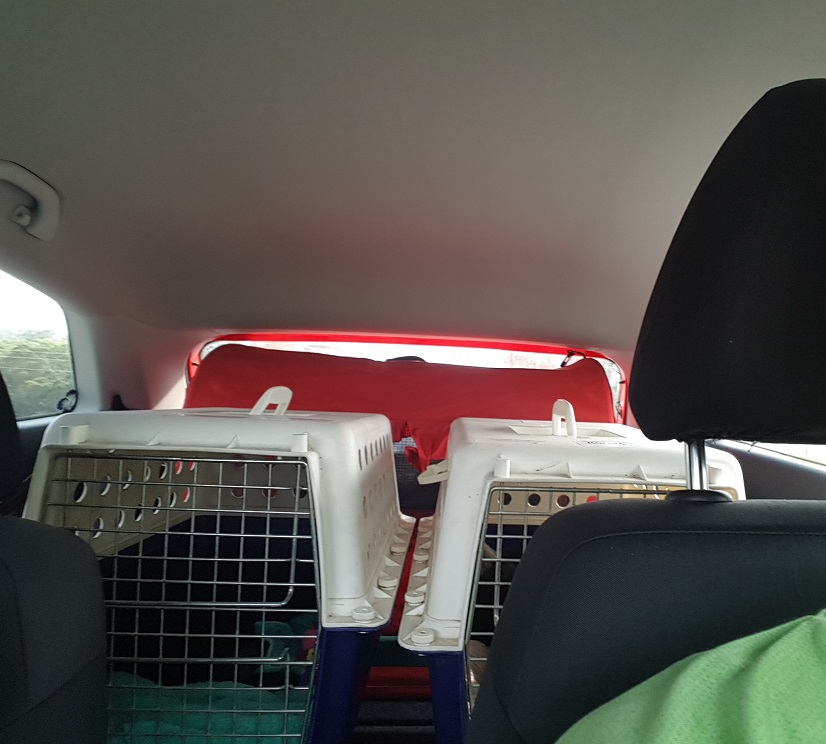
Another major difference I’ve found when living in the country is the stuff you carry in your car. In the city I rarely had anything in the boot or backseat. In the country most people and now even me tend to have a lot of items which need to be carried. In my car boot for example, I have a bunch of green shopping bags, and a cooler bag which you can put cold items in for drives - on hot days I use these to carry home cold things from the supermarket, even though it’s a short-ish drive. We have a little cooler bag which we put cold cans in anytime we’re going on a daytrip type of drive.

In one of the green bags I have my little kit of assorted things you may need -

- latex gloves. Useful for many reasons but my major one is to check the pouches of roos, wombats and other pouch animals - babies can survive up to three days after the parent is killed and they can be rescued. If you’re in Australia and you see an animal by the side of the road with a green stripe spraypainted on it, this means someone has already checked the pouch. Also useful in case of first aid situations.

- wet wipes of various kinds - anti-bacterial, glass cleaning, ones to clean hands, yes I am a germophobe but also these are handy when fishing!

- First aid kit. One night back in the city when we lived on a main road, we were just sitting down to a lovely chicken roast when we heard this huge bang. A couple of elderly people were driving along the road and they ran right up the back end of a car parked on the side of the road. Having done first aid for many years as a St John’s cadet, I grabbed the little kit we had there and ran out to help while the other half called the police. This poor old couple, I felt terrible for them - and it was a dark red car under a tree which meant you really couldn’t see it very well. It turned out ok, they were fine, and we even went to the hospital to stay with them until their family got there and then visited them at home once they got out because they were so lovely. Imagine being the first one to an accident scene in the country, where help can be quite a drive away and mobile phones don’t always work. You bet I carry a good first aid kit.

- a rug. Useful for injured animals, like the time I sat an emu on my lap for 30kms till we got it to a vet. It had been hit by a car on the hay plains and was grazed and stunned. We weren’t sure it could walk, so we wrapped it in the rug and it became my new best friend. Emus are not small birds, you know. They can also be extremely aggressive. But it was worth it because the bird was very calm and seemed to know we were helping, and ended up being fine.

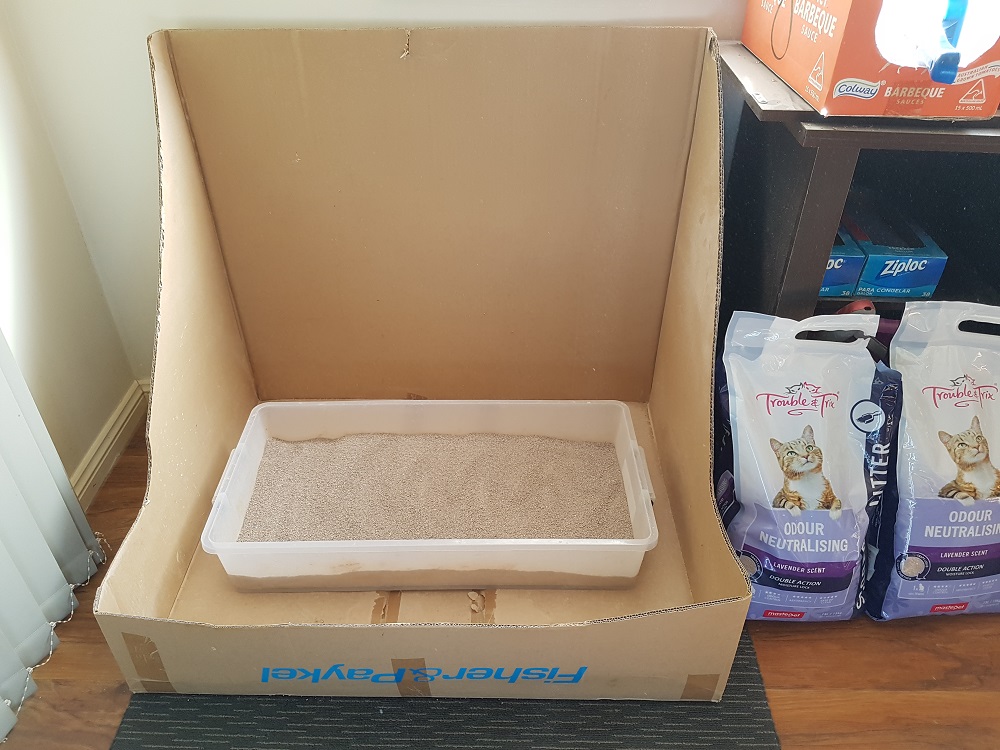
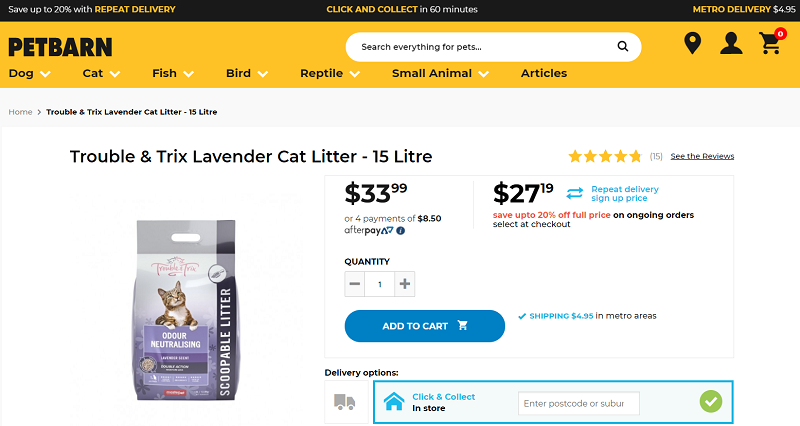
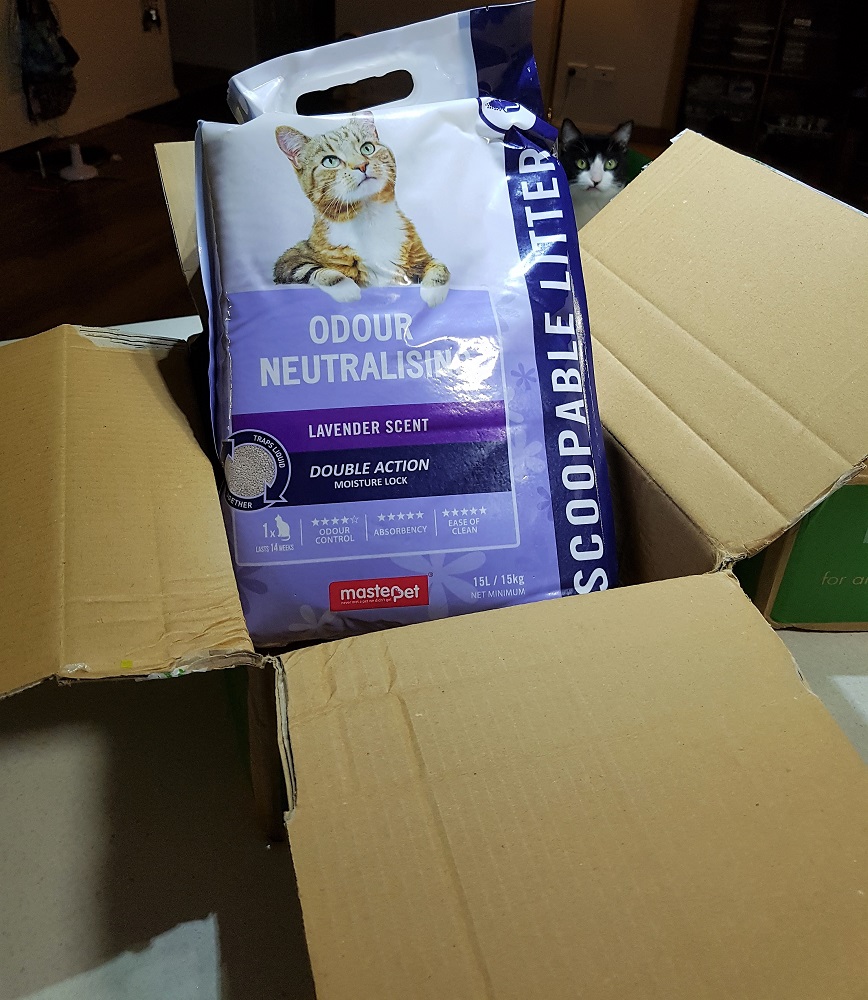
Another big difference is you have no hesitation buying things in bulk. We go to a local feed store here and buy two 20kg bags of kitty litter every couple of months. This costs us $30 in total. It works out to .75 cents per kilo of kitty litter, it’s one trip where you have to lug something heavy, it lasts us ages, we put it into these big buckets and use it as we need it.. We never run out because we always go back when the second bag gets opened. It’s a great deal. ;) So if we go somewhere and we see a great deal for buying in bulk we usually just grab it.

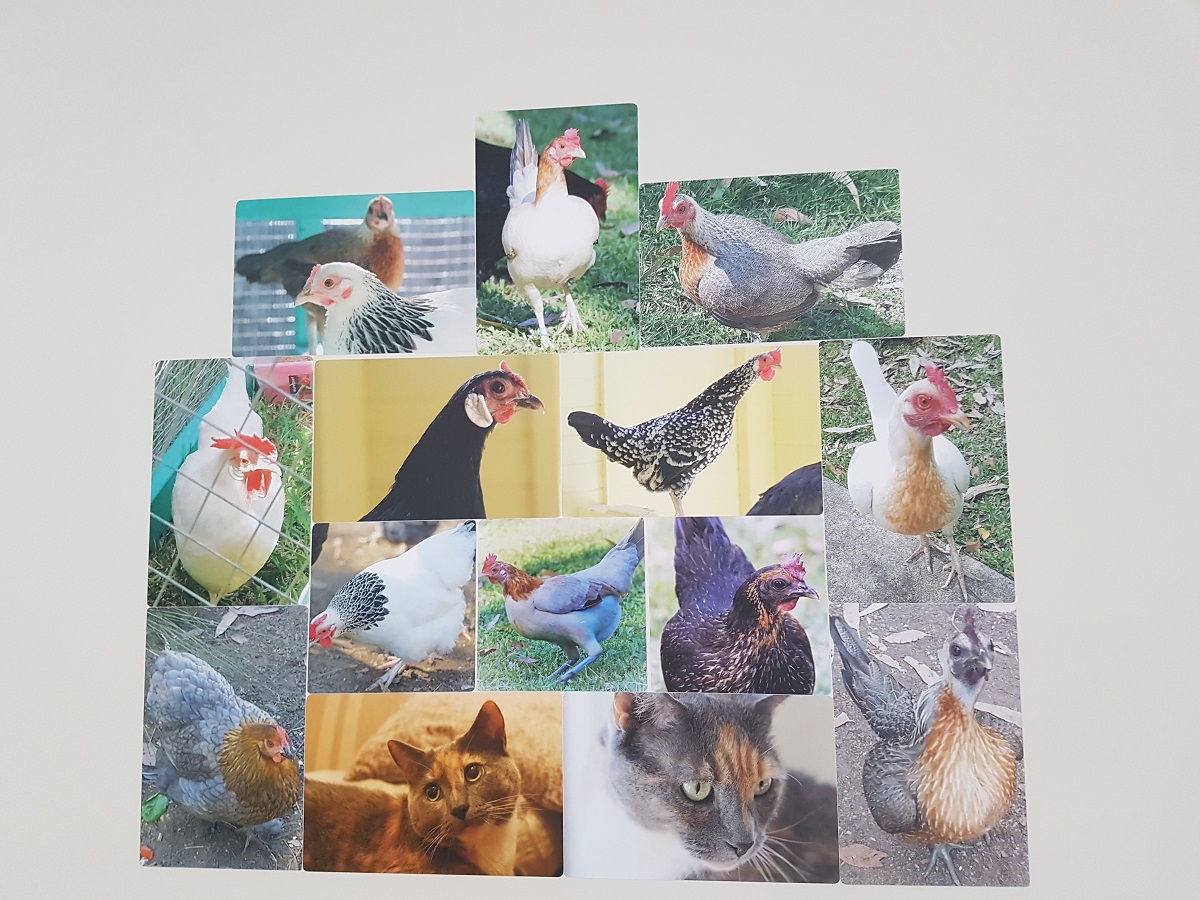
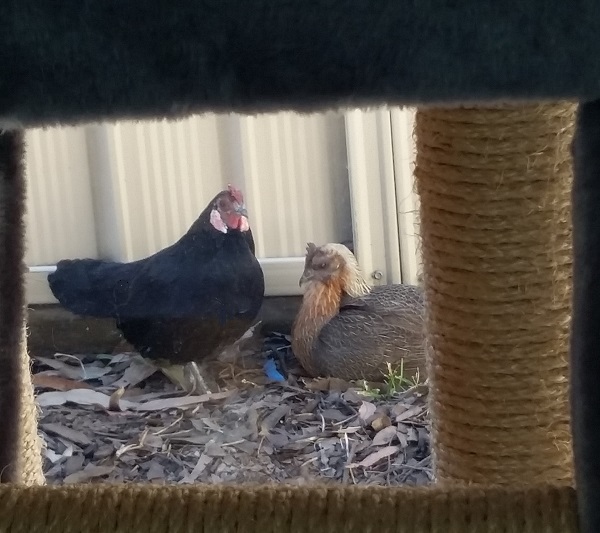
And the feed store, I love it there. It’s like a trip back in time. They have a lot of really great stuff you’ve never heard of before. They sell feed for every animal imaginable. THEY HAVE LIVE CHICKENS. I really want to have chickens of my own one day.

We now have a rule for shopping in the country. If you see something and you want it, grab it because it is not likely to be there the next time you’re looking for it.

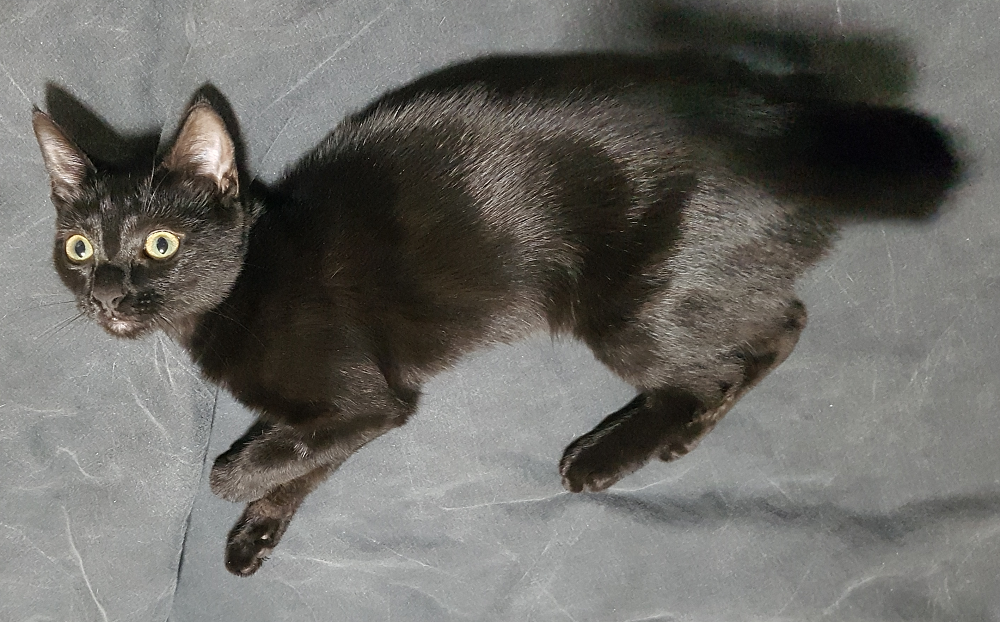
The kitty post will have to wait because I want to try and get some photos to go with it. ;) Keep an eye on the blog over the weekend to see photos of our trip posted by Sephy. Be good ya’all and have a great weekend, I plan to. ;)